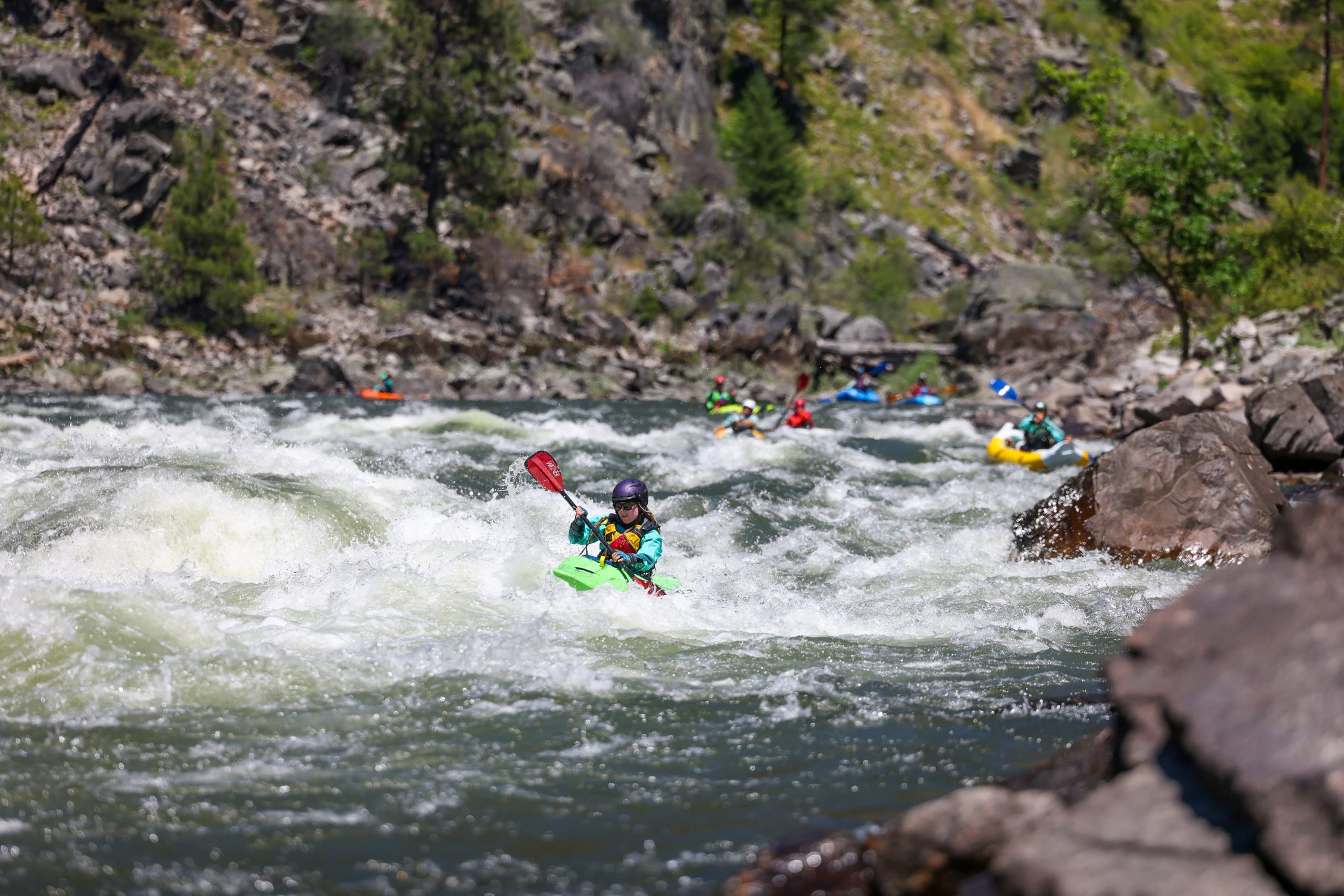


Who is Frank Church and what is a River of No Return Wilderness?
Comments Off on Who is Frank Church and what is a River of No Return Wilderness?Author: Ian Connolly
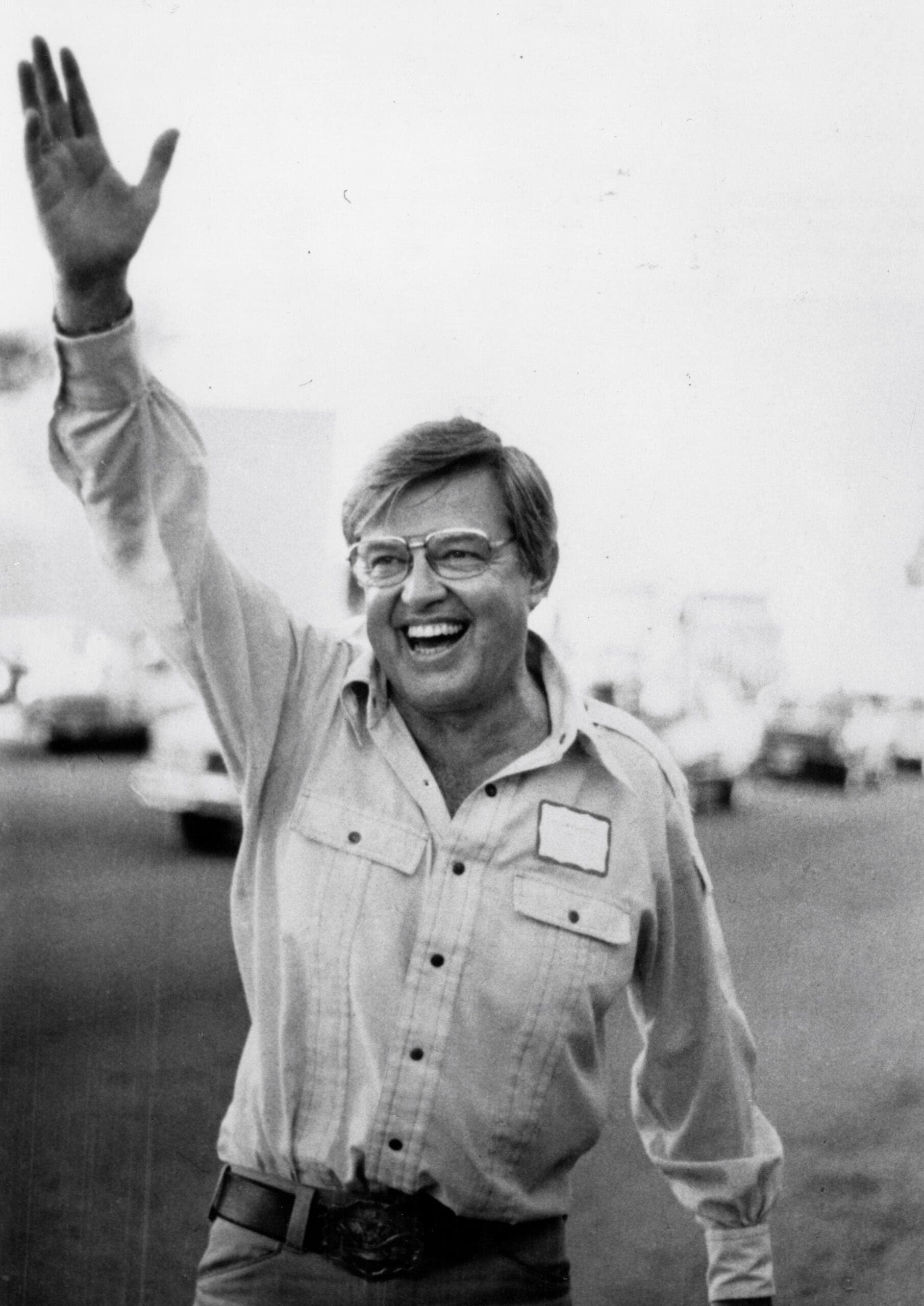 For those of us born elsewhere or sometime in the last three decades, we might not know a lot about how Idaho came to have so much protected land, and if we didn’t grow up here, then we almost certainly never learned about the Democrat from Boise that championed wild places. It turns out that the wilderness area in Central Idaho that protects the watersheds of the Middle Fork and Main Salmon, and all protected wilderness areas, almost never came to be. This is how a Democrat from Idaho changed the course of river and land conservation forever.
Born in Boise, Idaho in 1924, Frank Church was the descendant of gold prospectors that moved to Idaho in the 1860s. As a boy, he fell in love with Idaho’s outdoors during the frequent trips that his father took him on. A co-owner of a sporting goods store, Church’s father raised Frank to hike, fish, and hunt throughout Idaho. His inspiration to become a senator came when he was a boy from William Borah, the prominent Idaho Republican who was known for his desire to bring progressive values into the conservative party during the New Deal Era.
Frank Church’s undergraduate degree at Stanford was interrupted by his enrollment in the U.S. Army when he was 18, after the attack on Pearl Harbor. He’d later return to Stanford and receive his law degree, but before that, he cemented his personal connection to the Salmon River canyon by marrying his wife at the Robinson Bar Ranch in June of 1947. That storied ranch, once a stopover on the stagecoach between Challis and Stanley, became a treasured home for Frank and his wife Bethine. At 32, Frank was elected to the U.S. Senate as a democrat, where he served four terms and remains Idaho’s last democratic senator.
Once in Congress, Frank Church brought his love for the wildest parts of Idaho to Washington D.C. He carried the torch, lit by other Western senators before him, as the floor sponsor of the Wilderness Act – a deeply controversial piece of legislation that was narrowly passed after eight years of lobbying. If this wasn’t enough, Frank then drafted the Wild and Scenic Rivers Act, which was passed by Congress in 1968 and designated both the Main Salmon and the Middle Fork as Wild and Scenic.
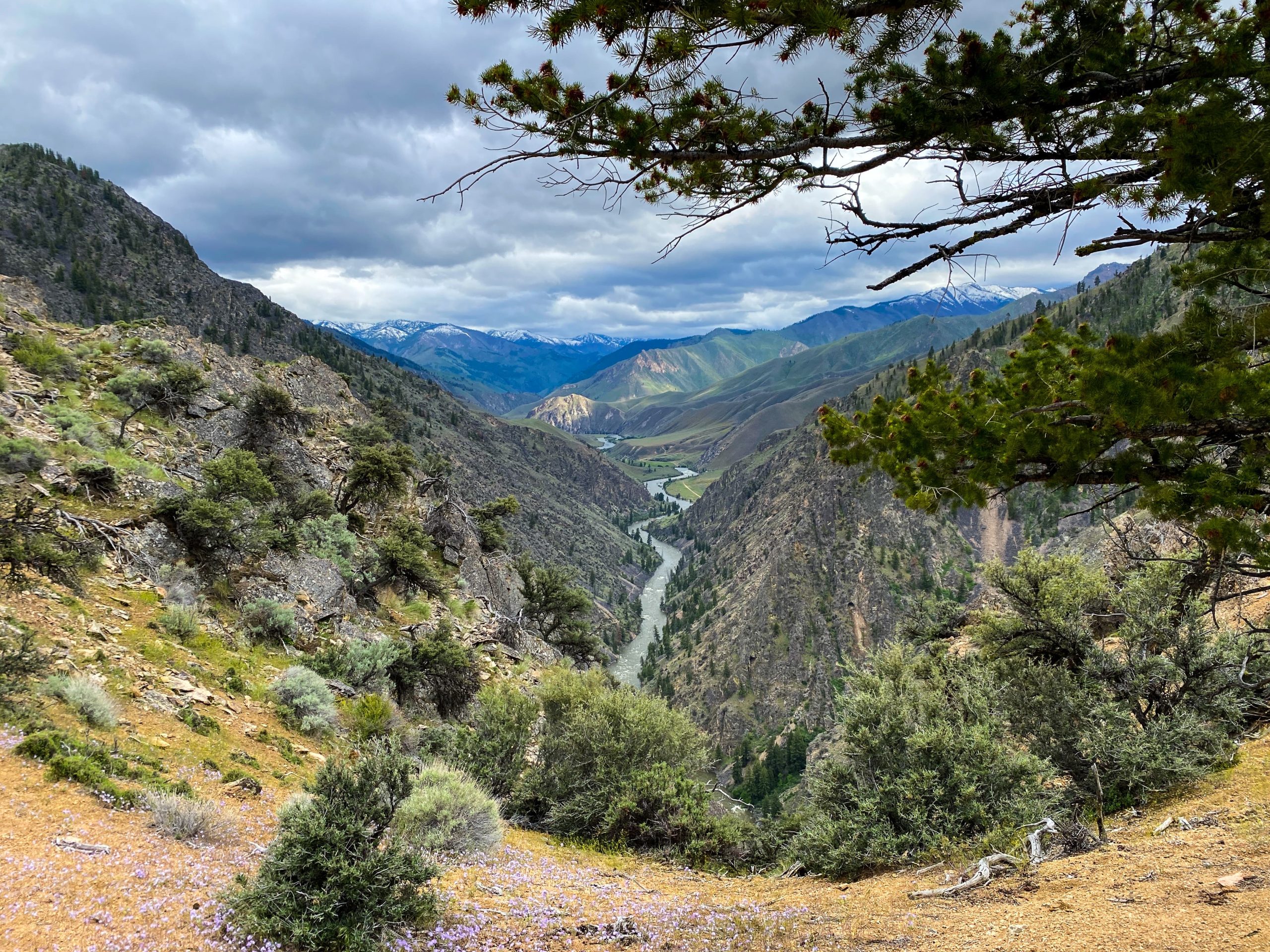 In 1980, his final year in Congress, Frank Church introduced the legislation that would create the Central Idaho Wilderness. At 2.36 million acres, the Frank Church River of No Return Wilderness is the largest protected wilderness outside of Alaska. The name of the area was amended to Include Frank’s name in 1984, four weeks before he died of Pancreatic Cancer. He was 59 years old. In addition to central Idaho, Frank was instrumental in the creation of the Hell’s Canyon National Recreation Area and the Sawtooth Wilderness and National Recreation area, which protected the area surrounding the Robinson Bar Ranch.
Over the course of his remarkable career, there were several pivotal moments that created the opportunity for Frank to continue his advocacy on behalf of Idaho’s wilderness and rivers. The first was when Frank first enrolled in law school. He experienced what he thought was back pain, but was diagnosed with testicular cancer and given a terminal prognosis at age 21. Miraculously, he was able to receive treatment that saved his life. The next key moment occurred during his reelection in 1962 when he was opposed by every major interest group in the state of Idaho because of his support for the Wilderness Act. On the eve of the election, it appeared that he would lose and the Act would never be passed. The next day, he won the election and two years later the Act was finally passed.
This is not all to say that he was the perfect advocate. He was indeed a deeply privileged white Man from Idaho, which no doubt contributed to his success. He also failed to meaningfully consult with Tribal nations in Idaho, and there are many valid criticisms of the wilderness conservation model. But, at a time when many white men like him were selling out to business interests and neoliberalism, Frank’s belief in the power of wild places set him apart.
Ultimately, what propelled Frank Church’s advocacy for wild places was his deep personal connection to the rivers and lands of Central Idaho. Frank was a Middle Fork boater, and that river was a place he went to to connect with parts of himself that were not otherwise accessible in Washington or at Stanford. He believed in the spiritual connection that we hold to place, and he risked his career for it, knowing it was an obligation to protect the earth for the sake of those yet to come.