Weather Forecast River Levels FB Twitter Instagram Pinterest

(208) 634-4303 | RIVERBEAT BLOG

SIX OR TWELVE DAY RIVER ADVENTURES

MIDDLE FORK AND MAIN SALMON RIVERS, IDAHO

Category Archive: Salmon River Rafting

  1. Who is Frank Church and what is a River of No Return Wilderness?

    Comments Off on Who is Frank Church and what is a River of No Return Wilderness?

    Author: Ian Connolly

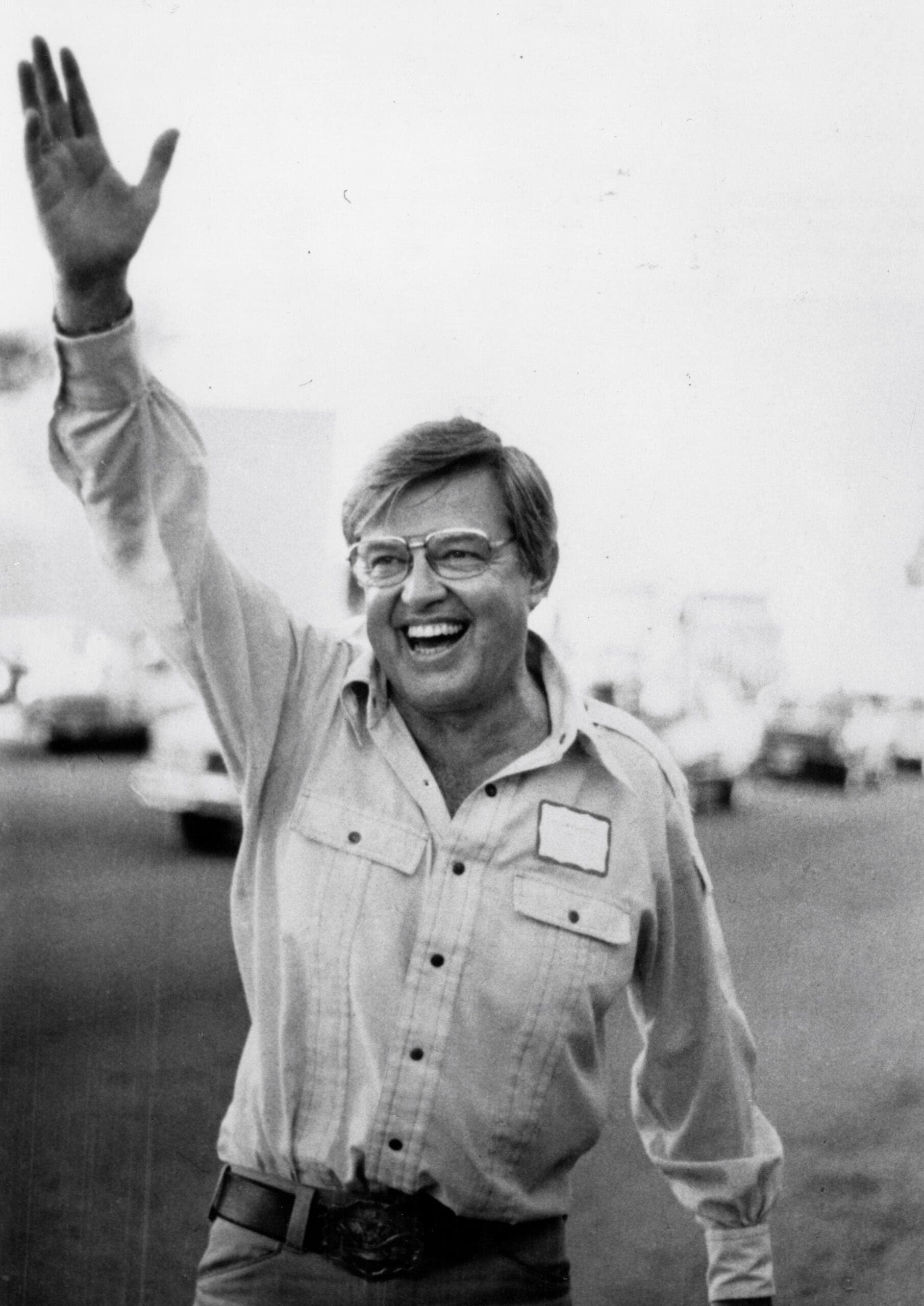
    Frank ChurchFor those of us born elsewhere or sometime in the last three decades, we might not know a lot about how Idaho came to have so much protected land, and if we didn’t grow up here, then we almost certainly never learned about the Democrat from Boise that championed wild places. It turns out that the wilderness area in Central Idaho that protects the watersheds of the Middle Fork and Main Salmon, and all protected wilderness areas, almost never came to be. This is how a Democrat from Idaho changed the course of river and land conservation forever.

    Born in Boise, Idaho in 1924, Frank Church was the descendant of gold prospectors that moved to Idaho in the 1860s. As a boy, he fell in love with Idaho’s outdoors during the frequent trips that his father took him on. A co-owner of a sporting goods store, Church’s father raised Frank to hike, fish, and hunt throughout Idaho. His inspiration to become a senator came when he was a boy from William Borah, the prominent Idaho Republican who was known for his desire to bring progressive values into the conservative party during the New Deal Era.

    Frank Church’s undergraduate degree at Stanford was interrupted by his enrollment in the U.S. Army when he was 18, after the attack on Pearl Harbor. He’d later return to Stanford and receive his law degree, but before that, he cemented his personal connection to the Salmon River canyon by marrying his wife at the Robinson Bar Ranch in June of 1947. That storied ranch, once a stopover on the stagecoach between Challis and Stanley, became a treasured home for Frank and his wife Bethine. At 32, Frank was elected to the U.S. Senate as a democrat, where he served four terms and remains Idaho’s last democratic senator.

    Once in Congress, Frank Church brought his love for the wildest parts of Idaho to Washington D.C. He carried the torch, lit by other Western senators before him, as the floor sponsor of the Wilderness Act – a deeply controversial piece of legislation that was narrowly passed after eight years of lobbying. If this wasn’t enough, Frank then drafted the Wild and Scenic Rivers Act, which was passed by Congress in 1968 and designated both the Main Salmon and the Middle Fork as Wild and Scenic.
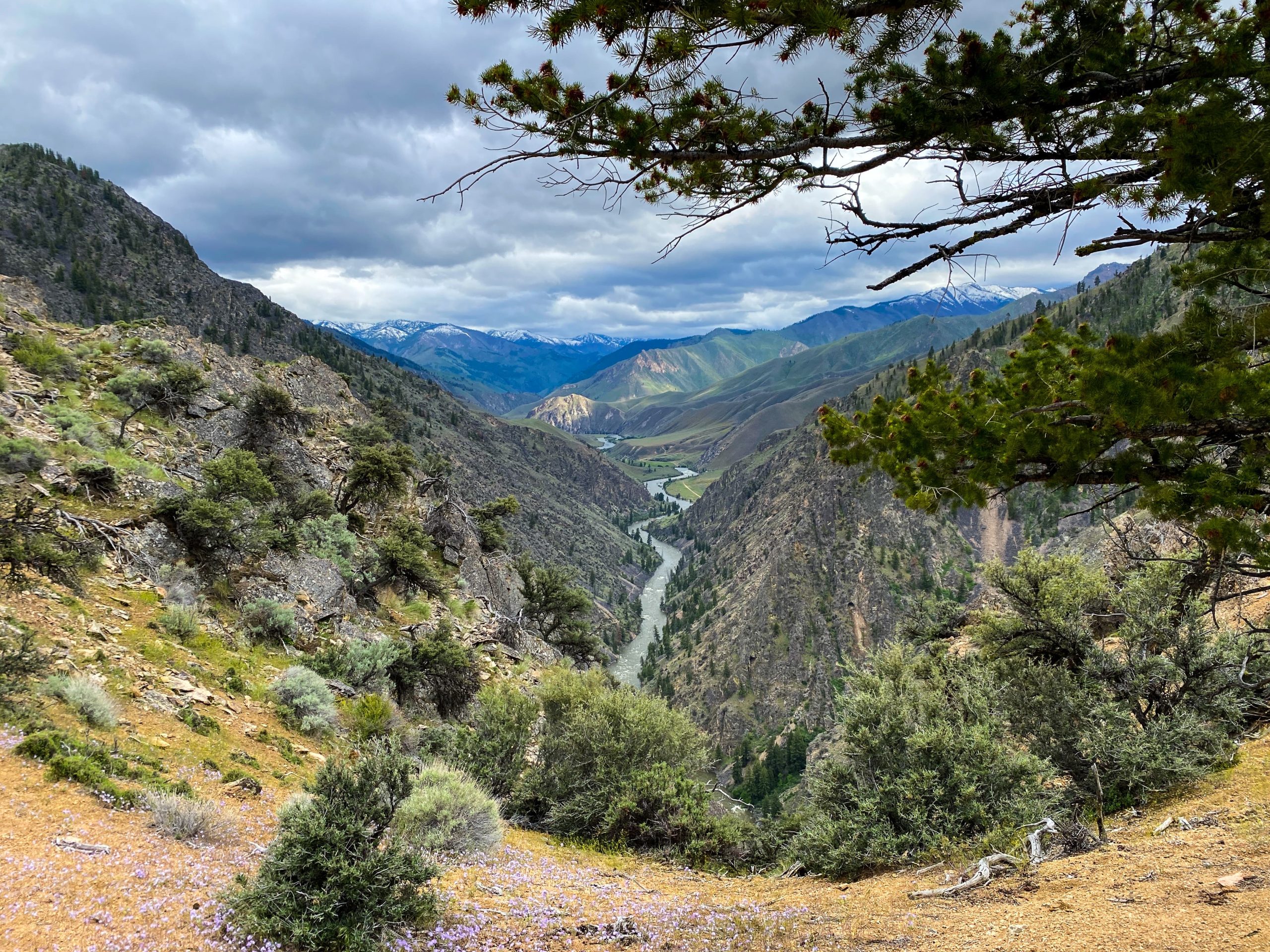
    In 1980, his final year in Congress, Frank Church introduced the legislation that would create the Central Idaho Wilderness. At 2.36 million acres, the Frank Church River of No Return Wilderness is the largest protected wilderness outside of Alaska. The name of the area was amended to Include Frank’s name in 1984, four weeks before he died of Pancreatic Cancer. He was 59 years old. In addition to central Idaho, Frank was instrumental in the creation of the Hell’s Canyon National Recreation Area and the Sawtooth Wilderness and National Recreation area, which protected the area surrounding the Robinson Bar Ranch.

    Over the course of his remarkable career, there were several pivotal moments that created the opportunity for Frank to continue his advocacy on behalf of Idaho’s wilderness and rivers. The first was when Frank first enrolled in law school. He experienced what he thought was back pain, but was diagnosed with testicular cancer and given a terminal prognosis at age 21. Miraculously, he was able to receive treatment that saved his life. The next key moment occurred during his reelection in 1962 when he was opposed by every major interest group in the state of Idaho because of his support for the Wilderness Act. On the eve of the election, it appeared that he would lose and the Act would never be passed. The next day, he won the election and two years later the Act was finally passed.

    This is not all to say that he was the perfect advocate. He was indeed a deeply privileged white Man from Idaho, which no doubt contributed to his success. He also failed to meaningfully consult with Tribal nations in Idaho, and there are many valid criticisms of the wilderness conservation model. But, at a time when many white men like him were selling out to business interests and neoliberalism, Frank’s belief in the power of wild places set him apart.

    Ultimately, what propelled Frank Church’s advocacy for wild places was his deep personal connection to the rivers and lands of Central Idaho. Frank was a Middle Fork boater, and that river was a place he went to to connect with parts of himself that were not otherwise accessible in Washington or at Stanford. He believed in the spiritual connection that we hold to place, and he risked his career for it, knowing it was an obligation to protect the earth for the sake of those yet to come.

  2. Do You Know What Watershed You Live in?

    Comments Off on Do You Know What Watershed You Live in?

    Let’s start by defining what a watershed is: it’s the land area that channels rainfall and snowmelt

    into creeks, streams, and rivers, eventually flowing into larger bodies of water like reservoirs,

    bays, or the ocean. In essence, a watershed is the land that collects water from precipitation

    and funnels it to a body of water.

    While we may be familiar with bodies of water that are around us, we still may not know what

    watershed we’re connected to. We don’t have to travel far to connect with nature and the water

    that sustains us— in fact, we can look to our backyards.

    Connecting to Your Watershed

    Find out what watershed you live in!

    The Environmental Protection Agency (EPA) offers a tool called “How’s My Waterway”,

    which helps you find your watershed, check water quality, and learn about local

    restoration efforts. Just enter your address or city, and the tool will highlight the water

    sources your area relies on.

    Spend time in your watershed

    Take time to explore the streams, creeks, rivers, lakes, and ponds around you. Notice

    how they change through the seasons—you might discover a new swimming spot, a

    gentle cascade, or a view that takes your breath away. This simple connection can

    deepen your appreciation for your watershed.

    Discover your local watershed organizations

    There are many organizations that aim to protect the waterways in your area. Take time

    to find out who they are and the projects they’re working on! Oftentimes there are

    opportunities to volunteer with these organizations that will allow you to contribute to the

    health of your watershed.

    Participate in a river cleanup

    As you explore your watershed, take a few moments to pick up any trash you see. Or,

    consider organizing a cleanup event! Make it fun—see who can find the most unique

    item or collect the most trash. Every little bit helps keep our waters clean.

    Incorporate creativity

    Creative expression is a powerful way to connect with your watershed. Find a spot that

    inspires you to draw, paint, or sketch. You might write a poem or a song about this

    waterway. Photography, jewelry-making, or collage are also beautiful ways to channel

    the spirit of the place. Let creativity be a bridge to connecting with your watershed, even

    if it’s your first time.

    Learn about local flora and fauna

    Each watershed supports a unique ecosystem of plants, animals, and insects. Spend

    time learning about the species that rely on your local water sources. Understanding

    which trees, wildflowers, fish, birds, and even insects are native can enhance your

    appreciation for the biodiversity around you. Join a guided nature walk, look up local

    wildlife guides, or visit your library for resources.

  3. Lessons: What You Can Take Home

    Comments Off on Lessons: What You Can Take Home

    After six unforgettable days rafting down the Salmon River with Canyons River Company, the river’s roar fades, and the rhythm of paddling gives way to the hum of daily life. While you can’t pack up the wild rapids, towering canyon walls, or the camaraderie of camp, there’s so much you can take home. The true value of the trip lies in the lessons learned—tools for navigating not just rivers but the currents of everyday life.

    Here’s what a Canyons adventure gives you to carry forward, long after the trip ends:

    1. Take Care of Yourself

    Hydration, sunscreen, and rest weren’t just encouraged—they were essential for enjoying every moment on the river. Your guides emphasized self-care because thriving on a multi-day river trip starts with taking care of your body and mind. Back home, the hazards may look different—stress, overwork, or distraction—but the principle remains. Prioritize rest, carve out time for yourself, and nourish your body. Just as a well-cared-for guest enjoys the river more fully, you’ll find that taking care of yourself helps you show up better in every aspect of life.

    2. Keep Taking Risks with People

    Around the campfire, over shared meals, and in the raft, you found yourself connecting with people you’d only just met. Guides and guests alike leaned into the vulnerability of sharing stories, laughter, and even fears. These moments of trust and connection made the experience unforgettable. At home, it’s easy to retreat into routines, but relationships require the same openness and effort. Trust others, take chances, and embrace the richness of meaningful connections.

    3. Persevere Through Challenges

    Paddling against a headwind, pushing yourself on a hike to a scenic overlook, or ducky-ing a thrilling rapid all demanded grit. But it was worth it—especially when you could kick back at camp with a cold beverage and reflect on the day’s accomplishments. Life’s challenges may not always be as exhilarating, but perseverance is just as critical. Face difficulties with patience and determination, and you’ll emerge stronger and ready for the next adventure.

    4. Keep Learning

    Whether it was finding rhythm in the paddle raft, pitching a tent, or singing a new campfire song, the river encouraged growth through learning. Canyons’ guides are experts at fostering curiosity and confidence in every guest, helping you master skills you didn’t think possible. At home,

    continue this mindset. Dive into something new—a hobby, a skill, or even a change in perspective. Staying curious keeps life vibrant and exciting.

    5. Kindness Goes a Long Way

    From the respect shown to the river and its wildlife to the care extended to fellow guests and guides, kindness was everywhere on this trip. It’s a reminder that small acts—helping someone with their dry bag, complimenting a guide’s cooking, or simply sharing a laugh—can ripple out in ways that matter. Bring this same kindness into your everyday life. Generosity and empathy brighten not only your own day but also the world around you.

    6. Embrace the Moment

    Life on the river is about embracing the moment, whether you’re dropping into a Class IV rapid or enjoying the serenity of calm water. A Canyons trip allows you to slow down, appreciate the beauty around you, and celebrate the small joys—a sunrise over the canyon, a soak in a hot spring, or a heartfelt toast at the end of the day. Let the river remind you to bring this sense of wonder and presence into your daily routine.

    The days on the river may have flowed by too quickly, but the lessons and memories don’t have to end. Just as the Salmon River keeps flowing, so can the spirit of your trip.

    When you return to your routine, let the river inspire you to live with intention, connection, and gratitude. Celebrate the big rapids and the calm stretches—they all contribute to the adventure. Carry the essence of your Canyons River trip forward, and let it guide you toward a life filled with joy, resilience, and connection.

    Written by Canyons guide Jessie Longe This blog was Inspired by Morgan Hite’s ‘Briefing for Entry into a More Harsh Environment’

  4. The Salmon – A Free Flowing River

    Comments Off on The Salmon – A Free Flowing River

    If you’ve ever had the good fortune of being on a Canyons river trip, you’ve probably heard one – if not all – of your guides ramble on about how special it is that the Salmon River is free-flowing, and how important it is to keep it that way for future generations. Indeed, the Salmon River – and its tributaries – run freely, unimpeded by dams and diversions, for more than 400 miles from its source to the confluence with the Snake River. There’s no doubt that this is extremely uncommon: for a river of this size, in a nation as developed and industrialized as the United States, to remain free-flowing a quarter of a way into the 21st Century – a lot of people had to fight very hard to make that happen.

    Salmon River meditation side creek cascading into the main stemBut just because something is uncommon does not imply that it is important. Of course, even the layman can understand that a free-flowing river provides a healthier environment for the flora and fauna that live within and alongside it than one that is obstructed by dams. From the fish, the birds, the bears, the beavers, the insects, the vegetation, to every other living thing that relies on the Salmon River – they all benefit from it running freely.

    Yet I believe that the importance of a free-flowing river extends beyond its environmental value. Indeed, I believe that free-flowing rivers carry within them INTRINSIC value. In other words, it is vital that a river remains free-flowing simply because that is how nature intended rivers to exist. Water – and moving water in particular – is the life force of any environment. All living things, in way or another, rely on streams, creeks, and rivers for sustenance. It is a universal theme across all life forms, in every corner of the world. Building a dam on a river – essentially killing it – creates a major disruption in the circle of life that reverberates throughout space and time.

    Water is the blood of our planet, and rivers are her arteries; would you block your arteries and not expect it to have terrible consequences? I think not. It’s why here at Canyons we are so drawn to the majesty of the Salmon River; every time I get to travel down these sacred waters, I am overcome by feelings of immense gratitude. It is a blessing to experience a river in its natural form: wild and free.

    Nicky 


  5. Kayaking with Canyons

    Comments Off on Kayaking with Canyons

    Canyons is unique in a multitude of ways. One that stands out in particular is the strong kayaking culture that has been a centerpiece of Canyons since its inception in 1985. In the wide world of commercial river rafting, the status quo is to put all the guests in a raft (or if they’re really lucky, a dory) that is guided by a trained, professional guide. At Canyons, however, we cater to whitewater boaters of all types: those who kayak, canoe, row their own rafts, or even those who have no prior whitewater experience but are eager to hop in an inflatable kayak (i.e., ducky) or on a stand-up paddle board.

    Womens adventure kayaking on the salmon river in idahoAsk almost any guide on any river in the industry, and they would tell you that the thought of putting guests in their own boats on a multi-day, class III-IV wilderness trip would stress them out to no end. It is far easier to simply pile all the guests into a few rafts and not be concerned with teaching them how to paddle, how to read whitewater, how to communicate with other boaters, how to self-rescue in the event of a swim, etc. But at Canyons, we’ve never been about doing things a certain way just because it’s “easier” – we’re about providing the most fulfilling, rewarding, and empowering experiences possible on the river.

    Make no mistake: being a guide who is responsible for guests in their own boats – as opposed to your own – is exponentially more challenging and complex. You’re no longer just navigating your own craft down the river; you’re managing a multitude of boaters who span a wide spectrum of ability, experience, and confidence levels, offering them tips to improve their whitewater skills, providing valuable information about the rapids, and – inevitably – executing countless rescues when then fall out of their boats and go for an unexpected swim. It’s what separates your Canyons guides from the rest of the pack.

    I speak from personal experience when I say that as a guide, there is nothing more rewarding than facilitating the opportunity for a guest to paddle or row their own craft down the Middle Fork or Main Salmon. Many of the guests we take down the river with us have dreamed of navigating these magic waters for years, or even decades. To play a part in turning that dream into reality – to bring it to fruition – is truly special, and I am grateful for this opportunity on every Canyons trip.

    Nicky Gallo

  6. My Favorite Tree, The Ponderosa

    Comments Off on My Favorite Tree, The Ponderosa

    One of the most spectacular trees we encounter in the river corridors of the Middle Fork and Main Salmon Rivers is the Ponderosa Pine, Pinus ponderosa. Ponderosa is a gymnosperm, meaning “naked seed,” and includes all cone bearing plants. The most familiar members are the fir and pine trees. Gymnospermae is a very ancient clade (grouping) of plants, originating in the Carboniferous, about 295 to 360 million years ago (mya). The Carboniferous is famous for the great explosion of plant life on the Earth which took place, leading to extensive deposits of Carbon (dead plant material and this period’s namesake) and thus the vast beds of coal humidity has been mining for hundreds of years. The evolutionary history of the Gymnospermae, and thus P. ponderosa is long and rich, giving us the great stands we see today in Idaho.

    Ponderosa pine (Pinus ponderosa) is a familiar sight in the landscape of the American West. Its range stretches from British Columbia all the way to New Mexico. Both Spokane, Washington and the state of Montana claim it as their featured tree. Most of the Mogollon Rim of northern Arizona is covered by vast forests of Ponderosa; it is the largest contiguous forest of them in the world. The Ponderosa has the widest distribution of any pine in North America. An Oregon botanist measured one tree that stood 235 feet tall and boasted a circumference of 27 feet! Their beauty and sheer size make the Ponderosa Pine one of the most recognizable trees in Idaho’s rugged river canyons.

    These big trees are particularly well adapted to the sunny, semi arid, fire adapted ecology of central Idaho. Ponderosa pines respond best to fires occurring every 5 to 10 years. At this frequency, forest fuels never have a chance to accumulate, resulting in lower intensity burns that don’t reach the upper canopy of the forest. Ponderosa can easily withstand these lower intensity fires. Its beautiful bark, a mosaic of small jigsaw puzzle shaped pieces, protects the tree in two ways. First of all, it is thick and retardant to flames. Second and most fascinating, these individual puzzle pieces of bark “jump” from the tree when ignited, helping to prevent the spread of flames. Smaller, frequent fires keep underbrush from growing thick thus allowing more sunlight to reach seedings and helping the forest stay healthy.

    Beside the obvious use of Ponderosa for firewood and building material, the inner bark, or cambium, was consumed by indigenous people of the Salmon River. During lean times, the thick outer bark would be removed to reveal the calorie rich tissue underneath. These “peel trees” are a common sight on benches above the high water mark. Living peel trees are a direct connection to the Sheep Eater people that inhabited the canyons of the Middle Fork and Main Salmon Rivers.

    From the cool shade Ponderosa Pines provide on a hot summer day to their fascinating and ancient evolutionary roots, these trees are something to behold. Their immense size and age, as well as their graceful beauty, will captivate any river runner’s imagination. Next time you find yourself around these majestic trees, take a moment to appreciate their incredible story.

    Spencer Roth
    June 2024

  7. Come Wine and Dine with Team Canyons!

    Comments Off on Come Wine and Dine with Team Canyons!

    As a Canyons Guide,  every year I look forward to our annual Wine and Culinary Trip. This is a specialty trip that takes place towards the end of every season on the Mighty Main Salmon.

    Everyone’s favorite river guide and chef extraordinaire, Lisa “Whizzy” Whisnant prepares the menu with delicious meals inspired by her “Off-the-Grid Restaurant” in which she runs during the Winter called the Blue Moon Yurt! All of Whizzy’s fabulous food is paired with Old and New World Wine from around the Pacific Northwest. We are lucky enough to be joined by some fantastic sommeliers that will help educate and explore your wine palate!

    It truly is a magical trip! Delicious food, paired with incredible wine, and 6 days on the Main Salmon River?! Heck Ya! What could be better?

    I have been lucky enough to work this trip year after year, and have gotten to help prepare so many of Whizzy’s amazing food creations. Whizzy is incredibly talented and creative, and comes up with a lot of her menu ideas in her dreams!
    One of the reasons I love working this trip is getting to step outside our comfort zone in the kitchen. Whizzy is a great teacher, and has an incredible vision for putting such amazing flavors together and creating a “party” In your mouth with each and every bite! She is patient with having a bunch of river guides asking her questions, always has the best attitude, and teaches us to taste what we are cooking. The food that we prepare on this trip is absolutely fantastic and made entirely from scratch.
    My favorite meal we have prepared on the Wine and Culinary trip is her “Portobello Kiss” which is a grilled portobello mushroom, topped with her poblano pesto sauce, grilled peppers and onions, manchego cheese and pesto all wrapped in filo dough and baked in a dutch oven. When baked, the portobello looks like a Hershey’s Kiss! The portobello is then placed directly in the middle of two separate sauces: garlic basil sauce and green chile. Also served with this meal is sauteed brussel sprout leaves with chorizo. I love everything about this meal, and it tastes unlike anything I have ever eaten before! Can you say, best meal ever?
    The is a Six Day River Trip that ends at Mackay Bar Ranch. We will spend four nights and five days sleeping on the banks of the Salmon River and dining in Paradise. The last night will be spent at Mackay Bar Lodge where the trip will end and guests will fly out the next morning!

    Come see the Magic of Our Wine and Culinary Trip for yourself! We would love to have you join us! Just know that you will need to book early for 2025, as this trip sells out every year!

    Stay tuned for the next blog post where I’ll talk about the Magic of the Blue Moon Yurt.

    Kelli O’Keefe, Canyons Guide

  8. The Gift of a River Trip for Dad.

    Comments Off on The Gift of a River Trip for Dad.

    The Gift of a River Trip

    August 2023
    This old button-down has ‘DAD’ written all over it: drawings of fly fishing flies labeled with their unique names like ‘wooly bugger’ and ‘caddis pupa’ pattern the frayed flannel. I’m checking off items from the Canyons Packing List as Dad sorts through his clothes. He offered me his beloved Orvis flannel, saying it had shrunk in the wash and I could keep it if I liked.
    Greg, the owner of Canyons, offers full-time guides an incredible benefit of bringing a family member or friend on a Canyons trip. As a Christmas gift, I invited Dad on a September, Main Salmon River Trip. So we are going over the packing list again and I’m triple checking his flights and travel plans. I am prepared. Prepared to keep him comfortable on the bumpy bus ride and whitewater roller coasters. Prepared to help him hike the steep mountains, catch a trout in the river, stay warm through the crisp fall nights, break the ice in conversations with the other guests… I have magnesium if the groover doesn’t call, a cot if he’s uncomfortable sleeping on the ground, a chair to support his back as he rides in the rafts… I am prepared.

    Sept 2023 – Day 2 of the trip
    I am not prepared for my dad to have an absolute blast.
    This morning I tried to pry Dad away from an engaging conversation with a new friend and fellow guest on the trip so he wouldn’t miss breakfast. After yesterday, I realized that my dad and I haven’t spent that much time together as adults separate from family gatherings or reunions. I forgot that Dad is a social butterfly. He is so drawn to the Canyons ‘social circle’ that he hasn’t even cast a fly!

    Sept 2023 – Day 4
    Dad is my guest, but also my dad out here. Sweat rolled down my neck as I roasted the New York Strip and Dad kept a fan on me! Tonight he ‘filmed a cooking show’ as I layered the lasagna and we partnered for an impromptu act in the Talent Show. We’ve had a couple of times where it’s just been us in the raft; he’s listened to my human history and geology talks…as well as some grumbles about the headwind. I’ve watched him engage with every guest on the trip and eventually, catch a trout (with a little help).

    Sept 2023 – Day 5
    Launching on a new moon, we bundled up each night to watch the shooting stars together. He hiked a steep scramble to a ridgeline, smiled through the whitewater, and slept deeply each night, tuckered out from the pace and excitement of the river trip. It warmed my heart to see my fellow guides take care of Dad: Colin crafted a special ‘anatomical heart-shaped pancake’ (Dad is a cardiologist) and Greg reserved a seat in the dory for the big whitewater day.
    I spent all my energy preparing for the logistics of this river trip–not realizing that the experience will speak for itself. Dad surprised me on all fronts. I’ve watched guests enjoy the Salmon River with their family and now I truly understand how special it is to share a river trip with my dad.

  9. Meet Velvet, A Dory on the Salmon!

    Comments Off on Meet Velvet, A Dory on the Salmon!

    Welcome to the Team, Velvet!

    “Is that…a dory?!” Folks at the boat ramp crane their necks to get a better view of the elegant wooden boat. Only 13’ 6” long, she’s one of three ‘Double Chubble’ dories ever built. She’s the perfect size for both big water and low technical flows which characterize the free-flowing Salmon River. Greg, owner of Canyons River Company, strokes the little boat gently and then fluffs the pillows that adorn her benches. He welcomes the onlookers to admire the fine craftsmanship of Fretwater Boatworks.

    Greg is good friends with Brad Dimock, owner of Fretwater Boatworks. One of Greg’s dreams was to row a lavender dory on the Salmon River, so Brad and his co-worker, Cricket, brought this dream to life by building Velvet.

    Working both in the Grand Canyon and on Salmon River, Greg quickly learned of dory-lore. He had the opportunity to row a friend’s dory named Thunder River down the Grand and it was love at first stroke. Greg describes the allure of captaining this special craft: “It feels like you’re kayaking…but you can take friends in your boat!”

    Velvet Falls is the first significant drop on the Middle Fork of the Salmon. Back in 1995 when Greg was a young river guide, Velvet Falls stood out to him as a “beautiful rapid” and since then it has “always held a special spot”. It just so happened that after Velvet was built, named, and christened in the Salmon River, the rapid of Velvet Falls changed forever from a massive landslide.

    Landslides in the Salmon River corridor often occur after forest fires. A fire cycle is natural and healthy in this ecosystem; however, a history of poor environmental decisions have had detrimental consequences. Downstream dams preventing the keystone species of salmon returning to the ecosystem and forest mis-management are two major human impacts that have contributed to the recent catastrophic fires.

    Dories are often named to memorialize the earth’s natural wonders that have been badly injured by human activities; some historic dories are Marble Canyon, Hidden Passage, and Quartz Creek. Martin Litton, a devoted dory pioneer and environmentalist, began this tradition as a way to inspire river activism. He believed that if you got people down to rivers, it would inspire them to take care of these places. Unintentionally, Velvet followed tradition and became a living memory of her namesake.

    Velvet has navigated the mighty Main Salmon and Lower Salmon. In 2024, Greg says “she’ll be making her way upstream to the Middle Fork, just like a little salmon returning home”.

    We hope you’ll have the chance to ride in her. “She’s a spunky little filly, always ready to ride!”

    written by Canyons guide, Jessie Longe