Comments Off on Daisy Tappan: An Inspiration and Example
Daisy Erma Paulsen Tappan (1908-1984) is a fabulous example of an impressive person who simply happened to be a woman. There are tales of her chasing off bears who tried to eat her orchard and rolling cigarettes one-handed. When she and her husband got pushed off Tappan Ranch at Grouse Creek on the Middle Fork of the Salmon, she became one of the two year-round mail deliverers out of Yellow Pine. She ran a dogsled, hauling her kids and mail all around some of Idaho’s most rugged and frigid country.And it seems, she still knew a good time when she saw one. Daisy Tappan would take her two boys over 40 miles upstream to Sheepeater Hot Springs so they could splash around in a pool made by some industrious beavers. Where did she find the time?One of the many things I love about being out in the Salmon river drainage is how little biological sex matters out there. Obviously, some of us care a lot, but in the end, what we’re capable of takes the cake. As river guides, can we catch an eddy? Can we cook your dinner before the sun goes down? Can we right a flipped raft? Can we save an errant ducky or woo a rattlesnake out of camp? It’s so apparent that that is what really matters. Daisy Tappan got it, and thank goodness we do, too.
Written by: Auri East
Source: The Yellow Pine Times
Comments Off on Who is Frank Church and what is a River of No Return Wilderness?
Author: Ian Connolly
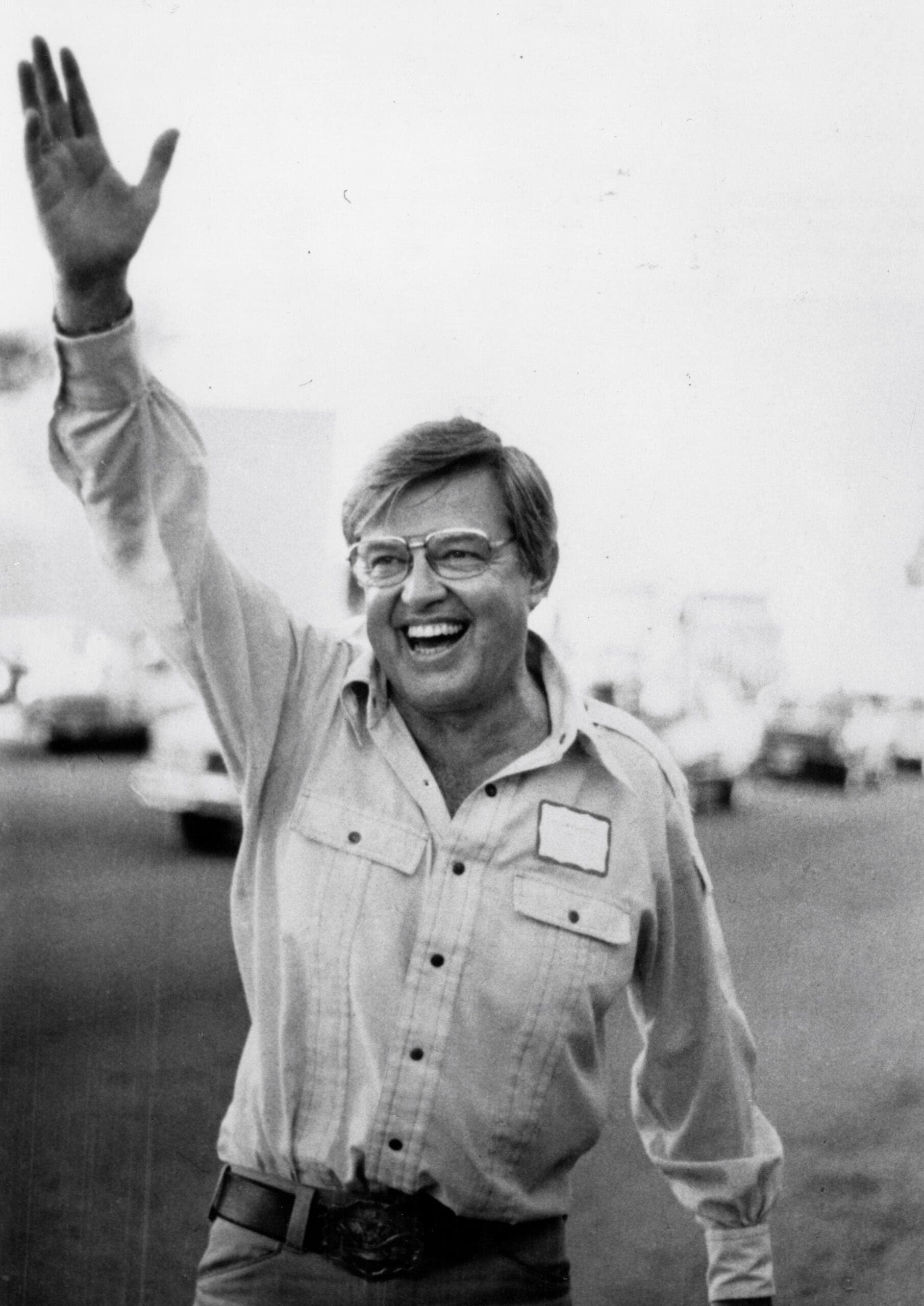
For those of us born elsewhere or sometime in the last three decades, we might not know a lot about how Idaho came to have so much protected land, and if we didn’t grow up here, then we almost certainly never learned about the Democrat from Boise that championed wild places. It turns out that the wilderness area in Central Idaho that protects the watersheds of the Middle Fork and Main Salmon, and all protected wilderness areas, almost never came to be. This is how a Democrat from Idaho changed the course of river and land conservation forever.
Born in Boise, Idaho in 1924, Frank Church was the descendant of gold prospectors that moved to Idaho in the 1860s. As a boy, he fell in love with Idaho’s outdoors during the frequent trips that his father took him on. A co-owner of a sporting goods store, Church’s father raised Frank to hike, fish, and hunt throughout Idaho. His inspiration to become a senator came when he was a boy from William Borah, the prominent Idaho Republican who was known for his desire to bring progressive values into the conservative party during the New Deal Era.
Frank Church’s undergraduate degree at Stanford was interrupted by his enrollment in the U.S. Army when he was 18, after the attack on Pearl Harbor. He’d later return to Stanford and receive his law degree, but before that, he cemented his personal connection to the Salmon River canyon by marrying his wife at the Robinson Bar Ranch in June of 1947. That storied ranch, once a stopover on the stagecoach between Challis and Stanley, became a treasured home for Frank and his wife Bethine. At 32, Frank was elected to the U.S. Senate as a democrat, where he served four terms and remains Idaho’s last democratic senator.
Once in Congress, Frank Church brought his love for the wildest parts of Idaho to Washington D.C. He carried the torch, lit by other Western senators before him, as the floor sponsor of the Wilderness Act – a deeply controversial piece of legislation that was narrowly passed after eight years of lobbying. If this wasn’t enough, Frank then drafted the Wild and Scenic Rivers Act, which was passed by Congress in 1968 and designated both the Main Salmon and the Middle Fork as Wild and Scenic.
In 1980, his final year in Congress, Frank Church introduced the legislation that would create the Central Idaho Wilderness. At 2.36 million acres, the Frank Church River of No Return Wilderness is the largest protected wilderness outside of Alaska. The name of the area was amended to Include Frank’s name in 1984, four weeks before he died of Pancreatic Cancer. He was 59 years old. In addition to central Idaho, Frank was instrumental in the creation of the Hell’s Canyon National Recreation Area and the Sawtooth Wilderness and National Recreation area, which protected the area surrounding the Robinson Bar Ranch.
Over the course of his remarkable career, there were several pivotal moments that created the opportunity for Frank to continue his advocacy on behalf of Idaho’s wilderness and rivers. The first was when Frank first enrolled in law school. He experienced what he thought was back pain, but was diagnosed with testicular cancer and given a terminal prognosis at age 21. Miraculously, he was able to receive treatment that saved his life. The next key moment occurred during his reelection in 1962 when he was opposed by every major interest group in the state of Idaho because of his support for the Wilderness Act. On the eve of the election, it appeared that he would lose and the Act would never be passed. The next day, he won the election and two years later the Act was finally passed.
This is not all to say that he was the perfect advocate. He was indeed a deeply privileged white Man from Idaho, which no doubt contributed to his success. He also failed to meaningfully consult with Tribal nations in Idaho, and there are many valid criticisms of the wilderness conservation model. But, at a time when many white men like him were selling out to business interests and neoliberalism, Frank’s belief in the power of wild places set him apart.
Ultimately, what propelled Frank Church’s advocacy for wild places was his deep personal connection to the rivers and lands of Central Idaho. Frank was a Middle Fork boater, and that river was a place he went to to connect with parts of himself that were not otherwise accessible in Washington or at Stanford. He believed in the spiritual connection that we hold to place, and he risked his career for it, knowing it was an obligation to protect the earth for the sake of those yet to come.
One of the most spectacular trees we encounter in the river corridors of the Middle Fork and Main Salmon Rivers is the Ponderosa Pine, Pinus ponderosa. Ponderosa is a gymnosperm, meaning “naked seed,” and includes all cone bearing plants. The most familiar members are the fir and pine trees. Gymnospermae is a very ancient clade (grouping) of plants, originating in the Carboniferous, about 295 to 360 million years ago (mya). The Carboniferous is famous for the great explosion of plant life on the Earth which took place, leading to extensive deposits of Carbon (dead plant material and this period’s namesake) and thus the vast beds of coal humidity has been mining for hundreds of years. The evolutionary history of the Gymnospermae, and thus P. ponderosa is long and rich, giving us the great stands we see today in Idaho.
Ponderosa pine (Pinus ponderosa) is a familiar sight in the landscape of the American West. Its range stretches from British Columbia all the way to New Mexico. Both Spokane, Washington and the state of Montana claim it as their featured tree. Most of the Mogollon Rim of northern Arizona is covered by vast forests of Ponderosa; it is the largest contiguous forest of them in the world. The Ponderosa has the widest distribution of any pine in North America. An Oregon botanist measured one tree that stood 235 feet tall and boasted a circumference of 27 feet! Their beauty and sheer size make the Ponderosa Pine one of the most recognizable trees in Idaho’s rugged river canyons.
These big trees are particularly well adapted to the sunny, semi arid, fire adapted ecology of central Idaho. Ponderosa pines respond best to fires occurring every 5 to 10 years. At this frequency, forest fuels never have a chance to accumulate, resulting in lower intensity burns that don’t reach the upper canopy of the forest. Ponderosa can easily withstand these lower intensity fires. Its beautiful bark, a mosaic of small jigsaw puzzle shaped pieces, protects the tree in two ways. First of all, it is thick and retardant to flames. Second and most fascinating, these individual puzzle pieces of bark “jump” from the tree when ignited, helping to prevent the spread of flames. Smaller, frequent fires keep underbrush from growing thick thus allowing more sunlight to reach seedings and helping the forest stay healthy.
Beside the obvious use of Ponderosa for firewood and building material, the inner bark, or cambium, was consumed by indigenous people of the Salmon River. During lean times, the thick outer bark would be removed to reveal the calorie rich tissue underneath. These “peel trees” are a common sight on benches above the high water mark. Living peel trees are a direct connection to the Sheep Eater people that inhabited the canyons of the Middle Fork and Main Salmon Rivers.
From the cool shade Ponderosa Pines provide on a hot summer day to their fascinating and ancient evolutionary roots, these trees are something to behold. Their immense size and age, as well as their graceful beauty, will captivate any river runner’s imagination. Next time you find yourself around these majestic trees, take a moment to appreciate their incredible story.
Comments Off on Meet Velvet, A Dory on the Salmon!
Welcome to the Team, Velvet!
“Is that…a dory?!” Folks at the boat ramp crane their necks to get a better view of the elegant wooden boat. Only 13’ 6” long, she’s one of three ‘Double Chubble’ dories ever built. She’s the perfect size for both big water and low technical flows which characterize the free-flowing Salmon River. Greg, owner of Canyons River Company, strokes the little boat gently and then fluffs the pillows that adorn her benches. He welcomes the onlookers to admire the fine craftsmanship of Fretwater Boatworks.
Greg is good friends with Brad Dimock, owner of Fretwater Boatworks. One of Greg’s dreams was to row a lavender dory on the Salmon River, so Brad and his co-worker, Cricket, brought this dream to life by building Velvet.
Working both in the Grand Canyon and on Salmon River, Greg quickly learned of dory-lore. He had the opportunity to row a friend’s dory named Thunder River down the Grand and it was love at first stroke. Greg describes the allure of captaining this special craft: “It feels like you’re kayaking…but you can take friends in your boat!”
Velvet Falls is the first significant drop on the Middle Fork of the Salmon. Back in 1995 when Greg was a young river guide, Velvet Falls stood out to him as a “beautiful rapid” and since then it has “always held a special spot”. It just so happened that after Velvet was built, named, and christened in the Salmon River, the rapid of Velvet Falls changed forever from a massive landslide.
Landslides in the Salmon River corridor often occur after forest fires. A fire cycle is natural and healthy in this ecosystem; however, a history of poor environmental decisions have had detrimental consequences. Downstream dams preventing the keystone species of salmon returning to the ecosystem and forest mis-management are two major human impacts that have contributed to the recent catastrophic fires.
Dories are often named to memorialize the earth’s natural wonders that have been badly injured by human activities; some historic dories are Marble Canyon, Hidden Passage, and Quartz Creek. Martin Litton, a devoted dory pioneer and environmentalist, began this tradition as a way to inspire river activism. He believed that if you got people down to rivers, it would inspire them to take care of these places. Unintentionally, Velvet followed tradition and became a living memory of her namesake.
Velvet has navigated the mighty Main Salmon and Lower Salmon. In 2024, Greg says “she’ll be making her way upstream to the Middle Fork, just like a little salmon returning home”.
We hope you’ll have the chance to ride in her. “She’s a spunky little filly, always ready to ride!”
Hi! My name is Kathryn (Ren) Egnew, and I was born and raised right here in McCall, Idaho. I grew up skiing, kayaking, rafting, and mountain biking, but soccer and horseback riding were my main focus until college. After a (very) short stint as a college athlete I moved to Moab to be a river guide for Sheri Griffith River Expeditions. After a summer in the desert I relocated to Bozeman MT to go back to school for GIS and Snow Science. Five years in Bozeman taught me to love the outdoors more, took me all over the world to ski and kayak, and helped me find my passion at the crossroads of guiding and backcountry awareness and stewardship.
I was living abroad when the pandemic began, so I bailed back to the States and landed in McCall. What was supposed to be a couple months “reset period” turned into a year and a refound love of Idaho. I am currently spending my time working towards my AIARE teaching and guiding certifications in the winter, and playing on the river and tending to my garden in the summer. Happy to be home!
In your guiding career (on or off river), what has been your favorite “woohoo!” moment?
Rowing the Big Drops in Cataract Canyon for the first time.
In your guiding career (on or off river), what has been your most memorable “uhoh!” moment?
Going left at Bedrock Rapid in the Grand Canyon…it wasn’t technically a guided trip, but no one in my boat knew much about rivers and it was certainly a spicy line!
What is your favorite dress-up theme?
Anything leopard print!
What intrigues you about working for Canyons?
I have always been drawn to the sense of camaraderie and family at Canyons. It is this unwavering sense of place and unconditional love that has made me want to be a part of Team Canyons for a very long time.
What are three words that describe you?
Adaptable, bold, creative.
What is your favorite thing about the Middle Fork or Main Salmon?
The beautiful clear water and the hot springs!
If you could be a river creature, which one and why?
I would be a river otter because they are so good at playing and napping with equal voracity.
If you could bring anyone on a river trip, who would it be and why?
Beyonce.
What is one of your river rituals or superstitions?
Never talk about the Big W! (wind)
What are your personal top 3 MUST HAVES on a river trip?
A sketchbook, coffee/cocktail mug, and a good river dress.
Where is your favorite groover spot?
Any spot overlooking a big rapid. It helps move things along and gives you another chance to scout!
What is the most important lesson the river has taught you so far?
I know this is extra cheesy, but the river really has taught me to go with the flow and to be comfortable working with what I have at the moment.
Meet Canyon’s Social Media Diva, Emily Sedgwick! Maybe you have delighted in our Facebook feed or re-lived your Salmon River adventure through the pictures and video on our Twitter posts and on Instagram. If so, then you have been touched by the work of Emily, Founder and Principal of Em and Em Marketing. In the dynamic world of social media, Emily is a wellspring of experience, ingenuity and creativity. Pairing her graphic design and marketing expertise, she creates posts that are joyful, positive and uplifting, with the hope of spreading kindness to all of our followers, guests and interested parties. Through Emily’s endless hustle and results driven leadership, Canyons won the prestigious Thrive Award for Social Media at the America Outdoors Conference this year! All hail Canyons Social Media Diva!
When you meet Emily in person, you are immediately drawn to her vivacious personality, up-for-anything energy and 1,000 watt smile. As competitive skier and division one soccer captain, Emily knows a thing or two about focus, motivation and drive. Emily had been working in hospitality, advertising and marketing field when Canyons owner/guide Greg noticed she had a gift for seeing the beauty in things and creatively translating that beauty into social media content that underscores the values that Team Canyons lives by. Canyons strives to create community through offering deeply meaningful river trips and employing guides who are experts in their field (and experts in FUN). We recognize the value of the wilderness experience and strive to create community on our trips and back in town through honest and authentic engagement. Emily drives our social media content to reflect these core values and add beauty and substance to the world.
As our principal marketing advisor, Emily has joined Team Canyons on many trips. Her delightful personality has earned her the titles of: river sommelier, Canyon’s Guide-In-Training-For-Life (by Canyons guide Chris Madden), official raft sunbather, hot springs activist, side canyon explorer, dishline dancer, campfire closer and rescue ducky-ing delight!
If you want more from Emily and Team Canyons, sign up and sign in on Facebook, Twitter, Instagram!
Comments Off on Yoga and Whitewater Adventure on the Middle Fork of the Salmon
Join Jenny and Sami, avid outdoors women and passionate yoga teachers on a six day yoga and whitewater adventure on the wildly pristine Middle Fork of the Salmon River!
Explore the beauty of the Earth and how deeply we are connected to ourselves, each other and the planet. Well seasoned yogis and those brand new to the practice will enjoy this retreat. A variety of yogic practices will be shared including creative asana, breath work, meditation, and nidra.
The trip includes 2-3 yoga practices daily, three gourmet meals daily, two drinks a day (beer or wine), wild white water rafting, hot springs, hikes, opportunities to kayak and fun connection activities. Evenings we will gather around the campfire and connect. Sign up here!
A highlight will be a heart opening cacao ceremony and a dress up dance party.
Take this time to be wild and free in the Frank Church wilderness on the Yoga and Whitewater Adventure. It will be life changing!
Sami Ruggles, RYT 200, is a seeker. She is always looking for meaning, symbols, and secrets hidden in the natural world around her. She knew that it was possible to live an authentically, happy life but she never knew the profound impact that yoga would make on one’s ability to do so. Her first yoga class took place 9 years ago, and she’s never looked back. Under the guidance of skillful teachers and the lens of her own devoted curiosity to the art of yoga her practice has evolved and unfolded. She teaches powerful yoga experiences and is a firm believer that yoga can give everyone the power to be the most authentic version of themselves.
Jenny Greenough Hanson, ERYT 500, is passionate about yoga, connection and authenticity. She believes yoga is the best tool to create these both individually and as a collective. She is convinced if anything can save the hearts and minds of people and the planet, it’s yoga. It brings her great joy to share it. She is grateful to be a part of the global yoga community whether teaching in a studio or on retreat in some beautiful corner of the world. Always curious and astonished at the journey of yoga she hopes to share and study it as a lifetime pursuit. She is trained in vinyasa, yin, restorative, nidra, and Buti yoga. Retreats are her great joy to share.
Aiden Chambers wrote in ‘This is All: The Pillow Book of Cordelia Kenn’:
“I thought how lovely and how strange a river is. A river is a river, always there, and yet the water flowing through it is never the same water and is never still. It’s always changing and is always on the move. And over time the river itself changes too. It widens and deepens as it rubs and scours, gnaws and kneads, eats and bores its way through the land. Even the greatest rivers…must have been no more than trickles and flickering streams before they grew into mighty rivers.”
This is the Magic of Canyons. While one may be fortunate enough to return for the “same” trip: it is never the same. The river itself is different, the runs are different, the guides, while still amazing, are different; however, so much more changes than the obvious. Each time I have returned to the Salmon, I have been the same, yet entirely different. I long to return at every stage.
When setting out to try to capture this magic, I initially was going to discuss the ability the river and Canyons have for taking you away from reality. My first trip with Canyons, my mom was very ill. However, when we were on the river, it was all about fun and adventure. This compartmentalization is sometimes imperative to reset in order to move forward once you are back in reality. I cried when we were loading the bus at the end of the trip. Was I mourning the end of our amazing time? Definitely. Was I also a young girl mourning the return to a reality she was afraid to face? Most definitely.
Upon return to the Salmon, the same but different, I was stronger. My mom had since passed away. We were starting our trip at the usual put-in but on foot. The river was low, and we would be meeting everyone else downstream after a 3-day hike. I have since run a marathon without training and have had two children. This 3-day hike remains one of the hardest things I’ve done physically and emotionally. With over 100 degree weather, little to no shade, and challenging terrain, my pack was proving possibly too large for my adolescent frame. This challenge paired with the rapids on the river taught me that I am capable of more than I realize. Each rapid must be faced head-on. You cannot stop paddling if you want to successfully get through. Stronger still.
Just as the river “gnaws and kneads, eats and bores”, so does life. The last time returning to the river was for mourning as well as a celebration of the life of a beloved uncle. I was stronger than before but softer, more perceptive, older. The cleansing power of the river was felt. The presence of my uncle and my mom was so felt being surrounded and immersed in nature. This is the Magic of Canyons. The river is peace. You are surrounded by the overwhelming beauty of nature and can, momentarily, forget about all that is gnawing and kneading, changing you. For a moment, you only can focus on the “lovely” and “strange”, ever-flowing river.
Transportation to/from the Middle Fork & Main Salmon Rivers
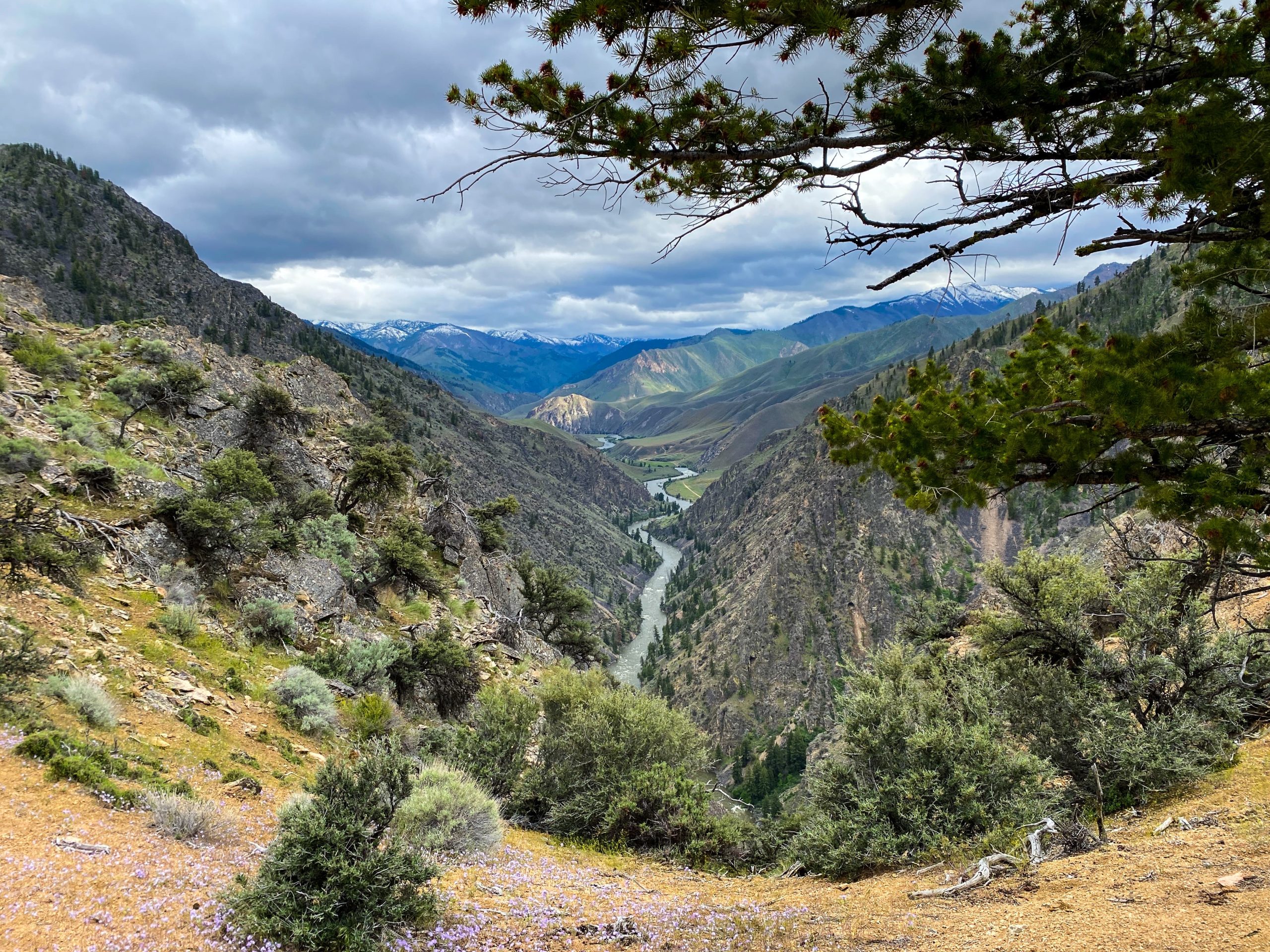
Whether you are heading to the Main Salmon or to the Middle Fork of the Salmon, your river trip starts and ends in the 2.4 million acre stretch of protected land known as the Frank Church Wilderness of No Return. Spanning six different national forests and several mountain ranges, the Frank Church is one of the most remote wilderness areas in the lower 48 states. This means that getting to the river takes some logistical coordination. That’s why we offer several options for getting to and from the river; Diving, Flying or Driving & Flying.
The Backcountry Flight Option
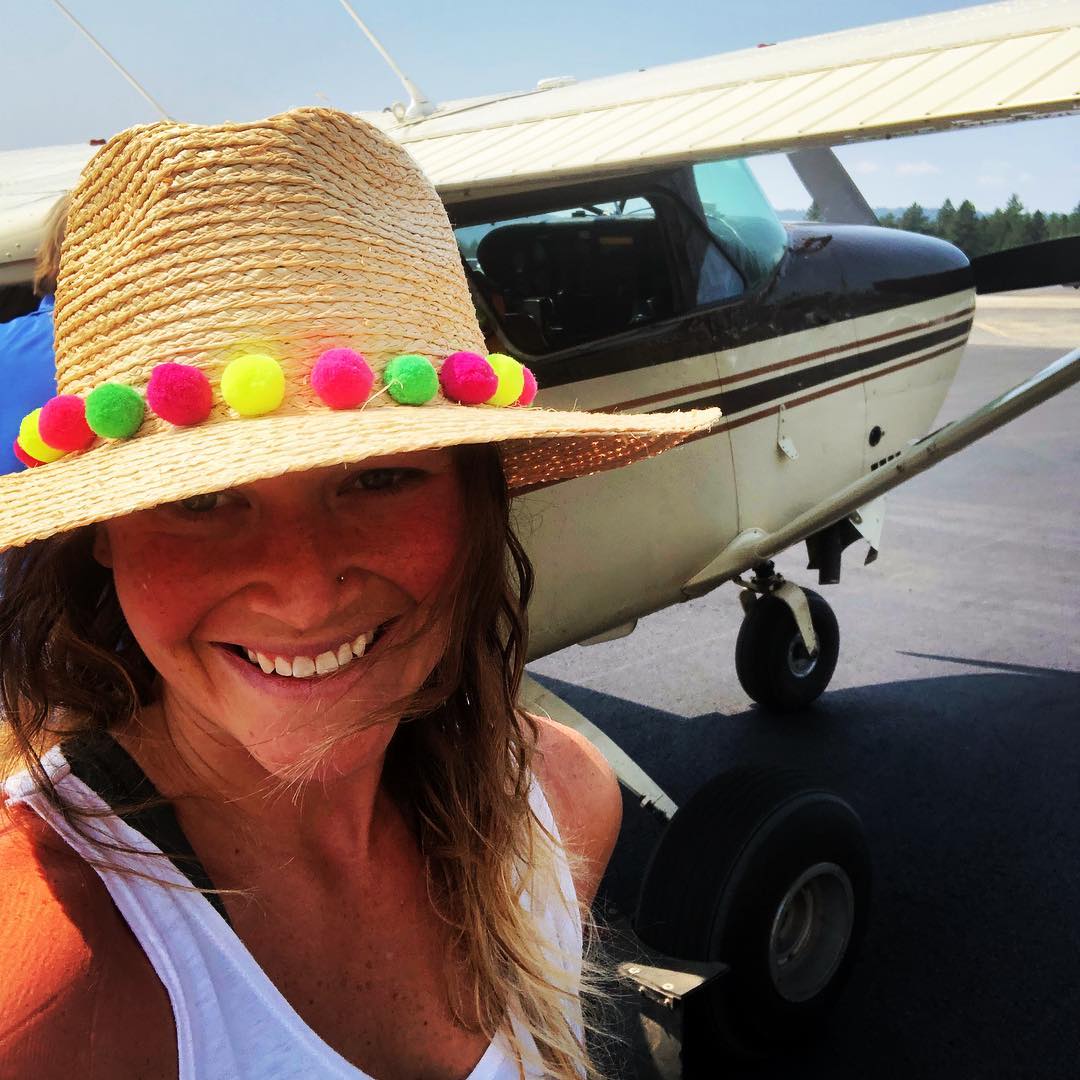
Start your trip with a spectacular chartered flight via prop plane! From the Boise Airport, enjoy a scenic, hour to an hour and a half-long flight over the beautiful Sawtooth Mountains and Salmon-Challis National Forest, and land just a short ride from the put in (for the Middle Fork) or a 2.5-hour ride (for the Main Salmon), where your river trip begins. On the last day of the trip, you will fly back to Boise and have an evening to enjoy in the city, before you depart for home the next day. If you are flying to Idaho from anywhere in the country or internationally, this is the most convenient and time-efficient option. If you plan on driving to Boise, the airport offers long-term parking for $11.50 a day.
Price: $435 per person.
Take this option if:
You like the idea of a scenic flight over some of Idaho’s most expansive and gorgeous wilderness.
You will be flying to Boise, Idaho for this trip, and/or you have limited travel time.
Who Makes the Flight Arrangements:
The Canyons Logistics & Reservations Team will handle booking your backcountry flights and will apply the cost to your invoice with Canyons, you just have to let us know that you want this option on your personal registration form!
The Drive and Shuttle Option:
For those living in the surrounding area or coming from a destination nearby, driving can be the most convenient and economical option. The important thing to remember with the drive option is that you will need to have your vehicle shuttled from where the trip begins, to where the trip ends. You are responsible for arranging and paying for this vehicle shuttle service. To assist you in this, our Accommodations & Other Services page offers specific recommendations for shuttle service companies, who are licensed to shuttle your car around to where your trip ends.
Middle Fork drive options:
Without a boat:
If you plan to drive but don’t plan on bringing your own boat, you have two options:
#1- Drive to Stanley, Idaho. A beautiful and charming small town with incredible scenery, great hot springs, and excellent recreation opportunities nearby. You will meet the shuttle bus on the morning of your trip at the Mountain Village Lodge. You will need to arrange to have your vehicle shuttled from the Mountain Village Lodge in Stanley, to the Salmon Airport.
Price: approximately $150/per vehicle
#2- Drive to Salmon, Idaho. A classic Idaho ranching community with a variety of recreational activities nearby. On the morning of your trip take a scenic one-way backcountry flight to a backcountry landing strip, where our shuttle bus will pick you up and take you to the river. At the end of your trip, our shuttle bus will take you back to your vehicle at the Salmon Airport, thus no vehicle shuttle needed. You can park your car for free at Salmon Airport.
Price: Approx. $195/per person
With a boat:
If you plan on bringing your own craft, you will meet our guides at the Boundary Creek put-in site. This is about 1.5 hours from Stanley and has a USFS campground. You are welcome to meet your guides here the night before and camp out, or you can drive to the put-in in the morning. If you plan on arriving in the morning, we ask that you please be at the Boundary Creek Boat Launch no later than 9 am. You will need to have your vehicle shuttled from Boundary Creek to the Confluence (of the Middle Fork and the Main Salmon rivers).
Price: Approx. $300/per vehicle
***An alternative to having your vehicle shuttled from Boundary Creek is to drive your boat (s) in the night before, leave it with the Canyons gear at the put-in and then drive back out to Stanley. You could then stay the night in Stanley and ride the shuttle bus back in in the morning. Then you would arrange to shuttle your vehicle from Stanley to the Confluence (saving a little bit of money).
Price: Approx. $275/per vehicle
Main Salmon drive options:
Without a boat:
If you are traveling without a boat, you have two options:
#1- Drive to Salmon, Idaho and meet the shuttle Bus at the Salmon Airport on the morning of your trip. Arrange to have your vehicle shuttled to the McCall Airport. At the end of your trip, our shuttle bus will bring you out to the McCall Airport where your vehicle should be waiting for you.
Price: Approx. $350/per vehicle
#2- Drive to McCall, Idaho and take a one-way scenic backcountry flight from McCall to Salmon on the morning of your trip launch, where you will then ride our shuttle bus into the put-in. On the last day of your trip we will shuttle you back to your vehicle in McCall, thus no vehicle shuttle needed.
Price: Approx. $225/per person
With a boat:
If you plan to drive and you are bringing a raft, a canoe or kayak along, you will need to meet us at the actual put-in for the river, Corn Creek Campground (please call and confirm this with our office). You will need to arrange for your vehicle to be shuttled from Corn Creek to Carey Creek (the take-out).
Price: Approx. $425/per vehicle
Take this Option If:
You live locally.
You are bringing your own vessel, canoe, kayak or raft.
You are making this river trip a portion of a longer trip in the Idaho region.
Who makes the vehicle shuttle arrangements: You do!
Who makes the backcountry flight arrangements: We do!
Still, have questions?
If you have more questions about the options, the logistics, or you are still trying to decide which one makes the most sense for you? Give us a call anytime at (208) 634-4303, or email us at [email protected] to discuss logistics with us. We are always happy to help you determine what is the best option for you.



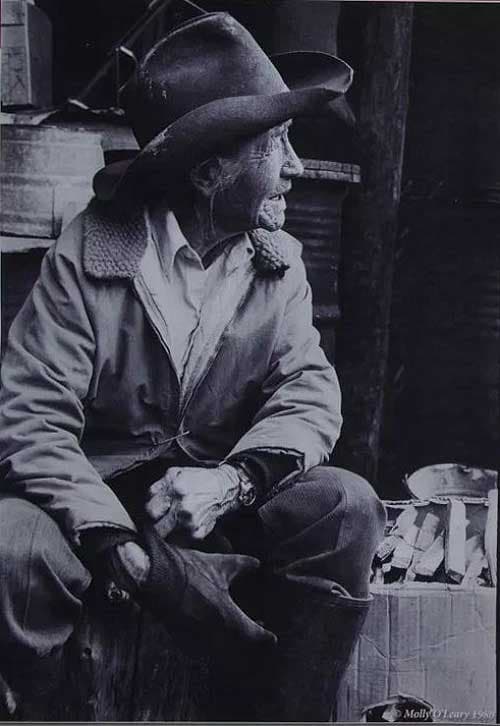 Daisy Erma Paulsen Tappan (1908-1984) is a fabulous example of an impressive person who simply happened to be a woman. There are tales of her chasing off bears who tried to eat her orchard and rolling cigarettes one-handed. When she and her husband got pushed off Tappan Ranch at Grouse Creek on the Middle Fork of the Salmon, she became one of the two year-round mail deliverers out of Yellow Pine. She ran a dogsled, hauling her kids and mail all around some of Idaho’s most rugged and frigid country.And it seems, she still knew a good time when she saw one. Daisy Tappan would take her two boys over 40 miles upstream to Sheepeater Hot Springs so they could splash around in a pool made by some industrious beavers. Where did she find the time?One of the many things I love about being out in the Salmon river drainage is how little biological sex matters out there. Obviously, some of us care a lot, but in the end, what we’re capable of takes the cake. As river guides, can we catch an eddy? Can we cook your dinner before the sun goes down? Can we right a flipped raft? Can we save an errant ducky or woo a rattlesnake out of camp? It’s so apparent that that is what really matters. Daisy Tappan got it, and thank goodness we do, too.